Why Regular Plumbing Inspections Save Port Macquarie Homes And Businesses Money
A small drip under a sink rarely feels urgent until the cabinet starts swelling, the water bill climbs or a hidden pipe fault turns into an after-hours emergency. That is why a plumbing inspection in Port Macquarie residents can schedule before problems escalate is one of the most practical ways to protect a home, rental property or business from avoidable repair costs.
Regular inspections are not about looking for problems where none exist. They are about checking the parts of a plumbing system that are easy to forget: taps, toilets, drains, pipework, water pressure, hot water units and fixtures that may be showing early signs of wear. For homeowners, landlords, property managers and business owners, preventative maintenance can reduce disruption, support safer water use and help avoid expensive surprises.
Small Leaks Can Create Expensive Damage
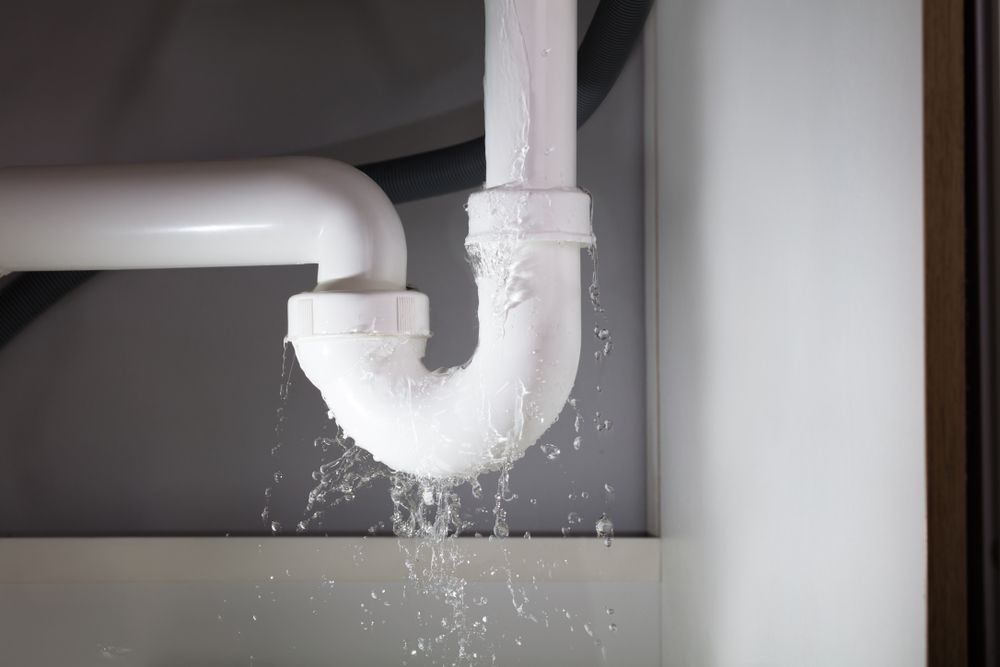
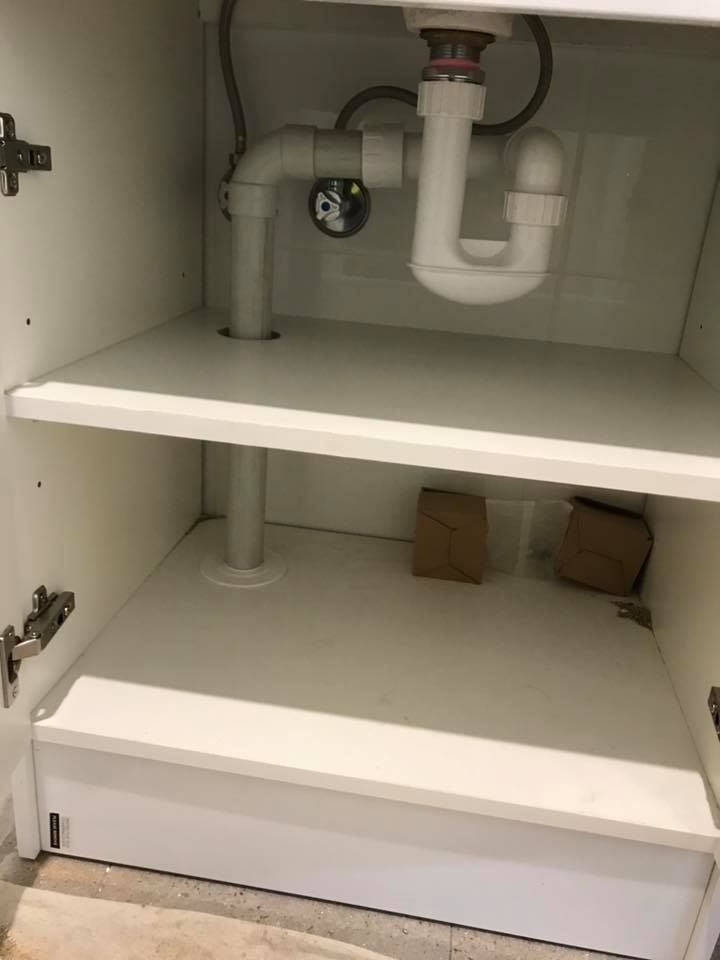
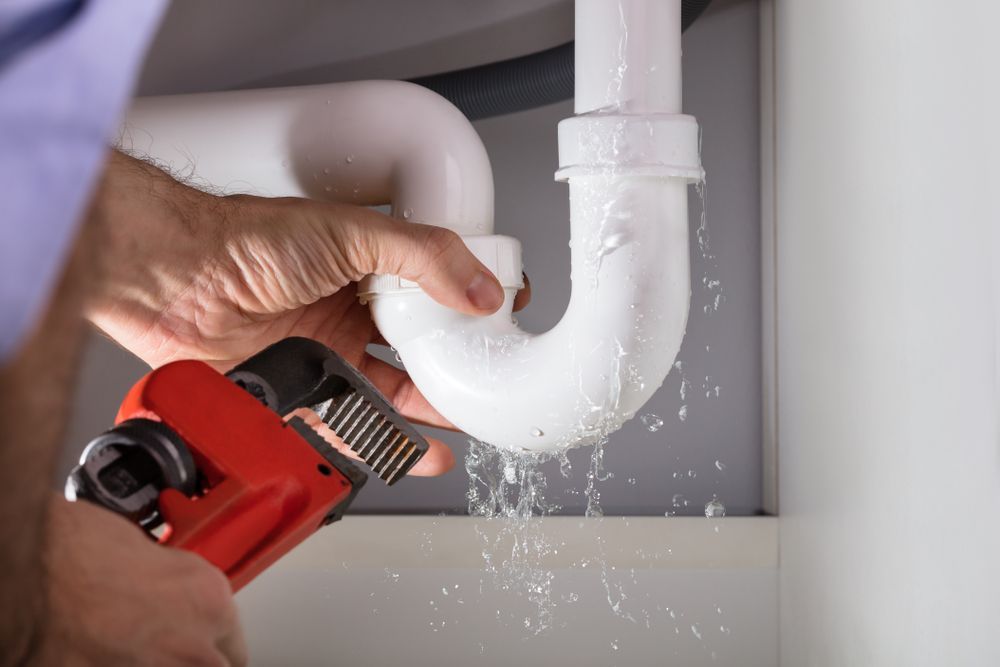
A slow leak may seem minor, but water can damage cabinets, flooring, plasterboard and nearby fittings long before the source becomes obvious. Leaks often start around tapware, toilet cisterns, flexible hoses, pipe joins or under-sink connections. In commercial spaces, even a small leak can affect stock, equipment or customer areas.
A professional inspection helps identify leaks early, including those that are hidden behind fixtures or only appear when water pressure changes. A plumber in Port Macquarie property owners can rely on will check visible pipework, test fittings and look for signs of dampness that might otherwise be missed. Fixing a leak early is usually far less costly than repairing water damage later.
Early leak checks can help prevent these issues:
- Swollen cabinetry
- Mould growth
- Damaged flooring
- Higher water bills
- Emergency repairs
Fixtures Show the First Signs of Wear
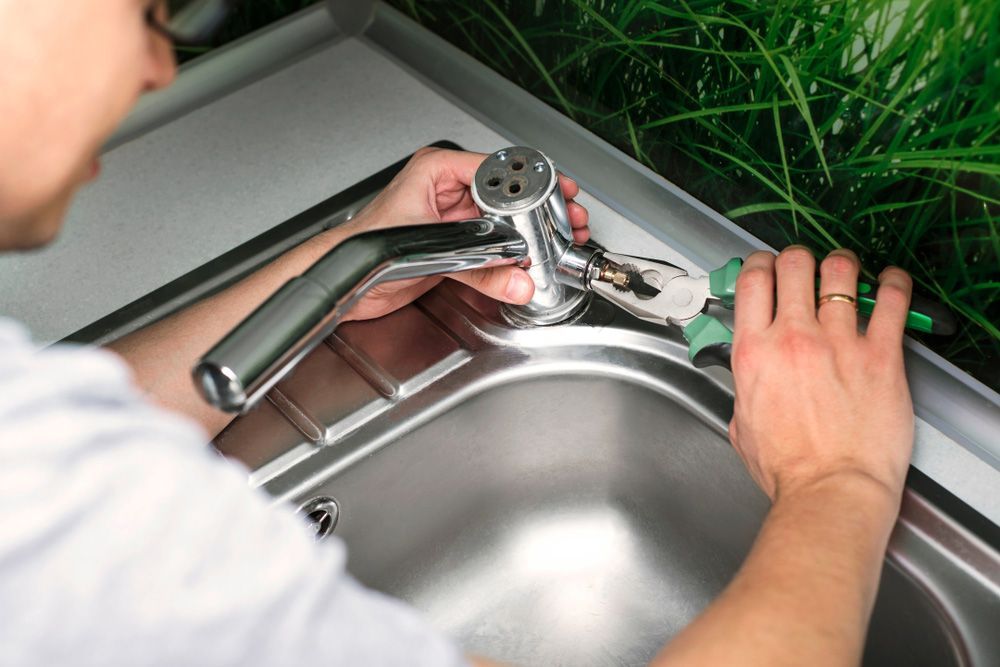
Taps, toilets, showerheads, mixers and outdoor fixtures are used every day, so they often reveal the first signs of plumbing wear. A dripping tap, loose mixer, running toilet or stiff valve may not stop daily routines, but these faults can waste water and worsen over time. In rental properties and businesses, frequent use can accelerate wear even further.
During an inspection, a plumber checks whether fixtures are operating properly, sealing correctly and delivering water as expected. This can help catch small issues such as worn washers, damaged cartridges, failing inlet valves or leaking isolation taps. These repairs are usually straightforward when handled early, but they can become more disruptive if ignored.
Fixture inspections commonly focus on these areas:
- Taps and mixers
- Toilets and cisterns
- Shower fittings
- Outdoor taps
- Isolation valves
Pipes Need Attention Before They Fail
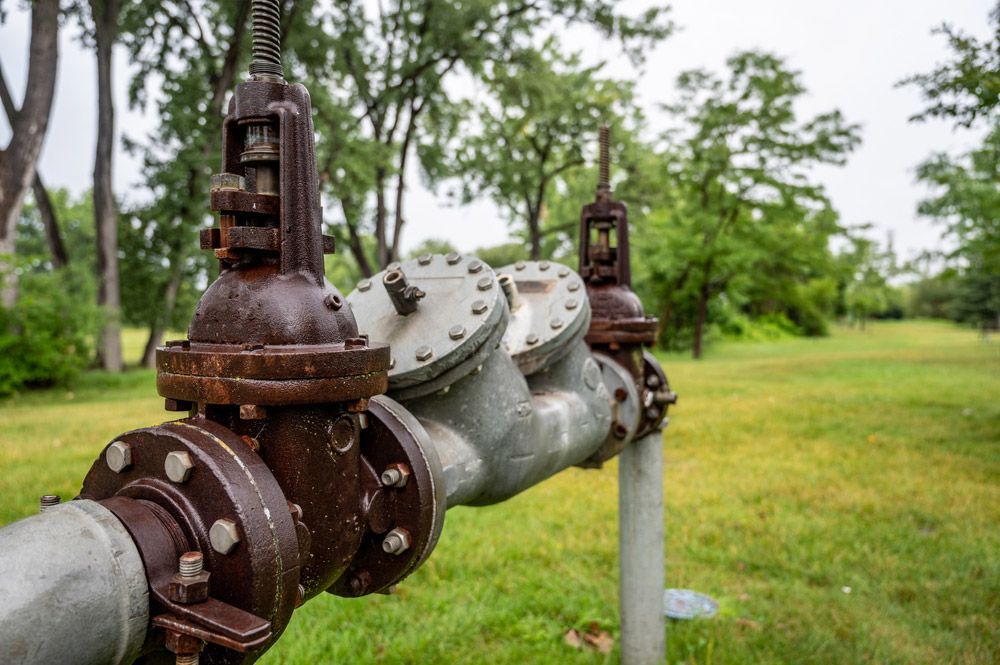
Pipe problems are not always visible. Some pipework sits behind walls, under floors, above ceilings or underground, which means faults may only show through secondary signs. Low pressure, damp patches, musty smells, discoloured water or repeated leaks can all suggest pipe deterioration. Older properties may also have plumbing materials that are more prone to corrosion or wear.
A regular inspection gives a plumber the chance to assess accessible pipework and recommend further investigation if needed. This may include checking for corrosion, loose fittings, poor support, damaged flexi hoses or evidence of hidden leaks. For landlords and property managers, this kind of preventative check can reduce the chance of tenant disruption and urgent callouts.
Pipe inspections can reveal early warning signs such as:
- Corroded fittings
- Damp wall areas
- Loose connections
- Worn flexi hoses
- Unusual water colour
Water Pressure Problems Should Not Be Ignored
Water pressure can tell a lot about the condition of a plumbing system. Low pressure may suggest a blockage, leak, faulty valve, pressure-limiting issue or pipe restriction. High pressure can also be a problem because it may place extra stress on fixtures, hot water systems and pipe joins. Both can contribute to wear and unexpected breakdowns.
A professional inspection can include pressure testing to confirm whether the system is operating within a suitable range. This is especially useful for businesses that rely on consistent water flow, such as hospitality venues, offices, workshops and commercial amenities. It also helps homeowners avoid guessing whether weak flow is caused by a showerhead, tap, valve or deeper plumbing fault.
Pressure checks can help identify problems affecting:
- Showers and taps
- Hot water systems
- Appliances
- Pipe joins
- Pressure valves
Drains Benefit From Preventative Checks
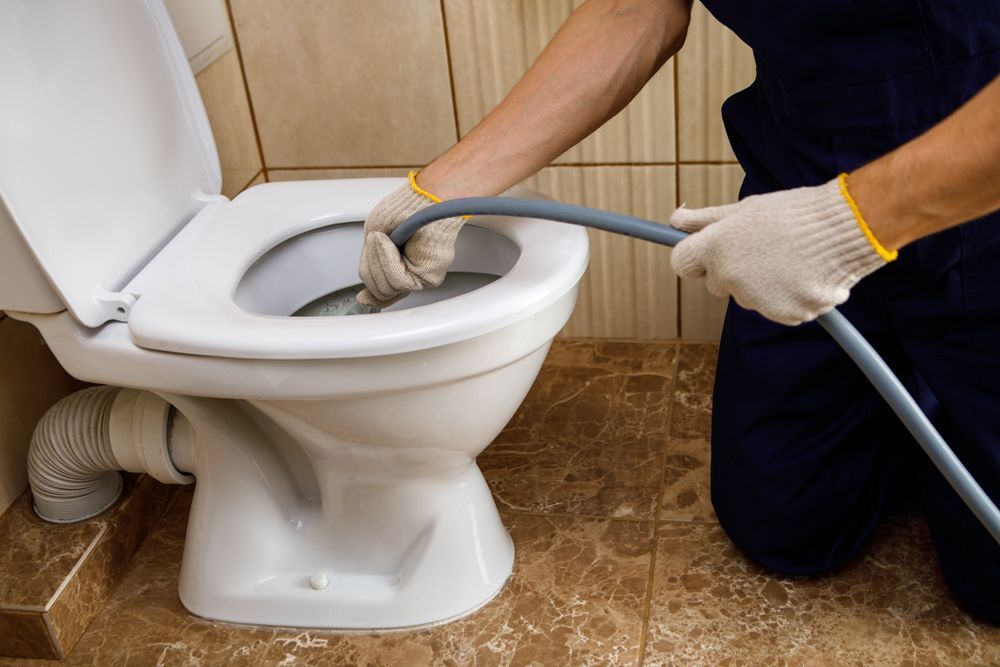
Blocked drains are one of the most common reasons people call for urgent plumbing help. In kitchens, grease, food scraps and detergent residue can build up inside pipes. In bathrooms, hair, soap scum and toothpaste can slow drainage. Outdoor drains may be affected by leaves, soil, debris or tree roots. A blockage often starts quietly before becoming a messy problem.
A plumbing inspection can identify slow drains, gurgling sounds, unpleasant odours or water pooling where it should not. In some cases, the plumber may recommend drain cleaning or camera inspection to understand what is happening inside the line. For businesses, rental properties and busy households, early drain maintenance can reduce downtime and avoid unpleasant disruptions.
Drain inspections can help detect these common warning signs:
- Slow-draining sinks
- Gurgling noises
- Bad odours
- Water backing up
- Recurring blockages
Hot Water Systems Require Regular Review
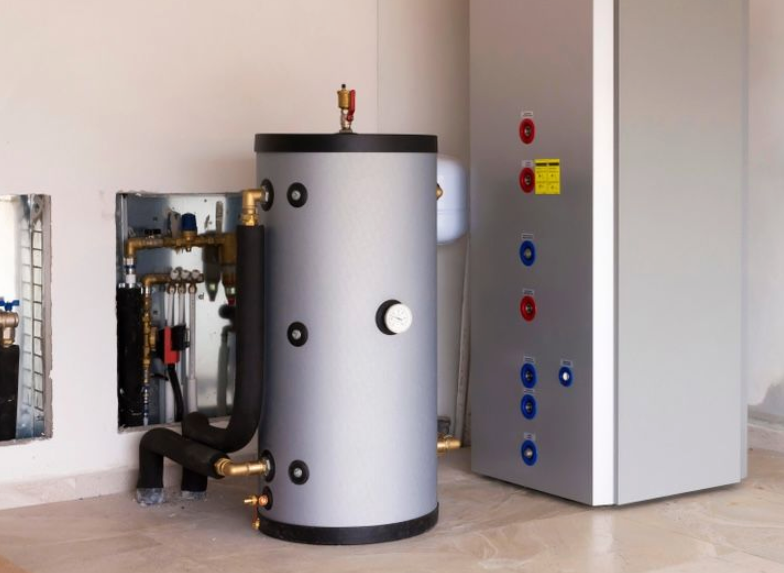
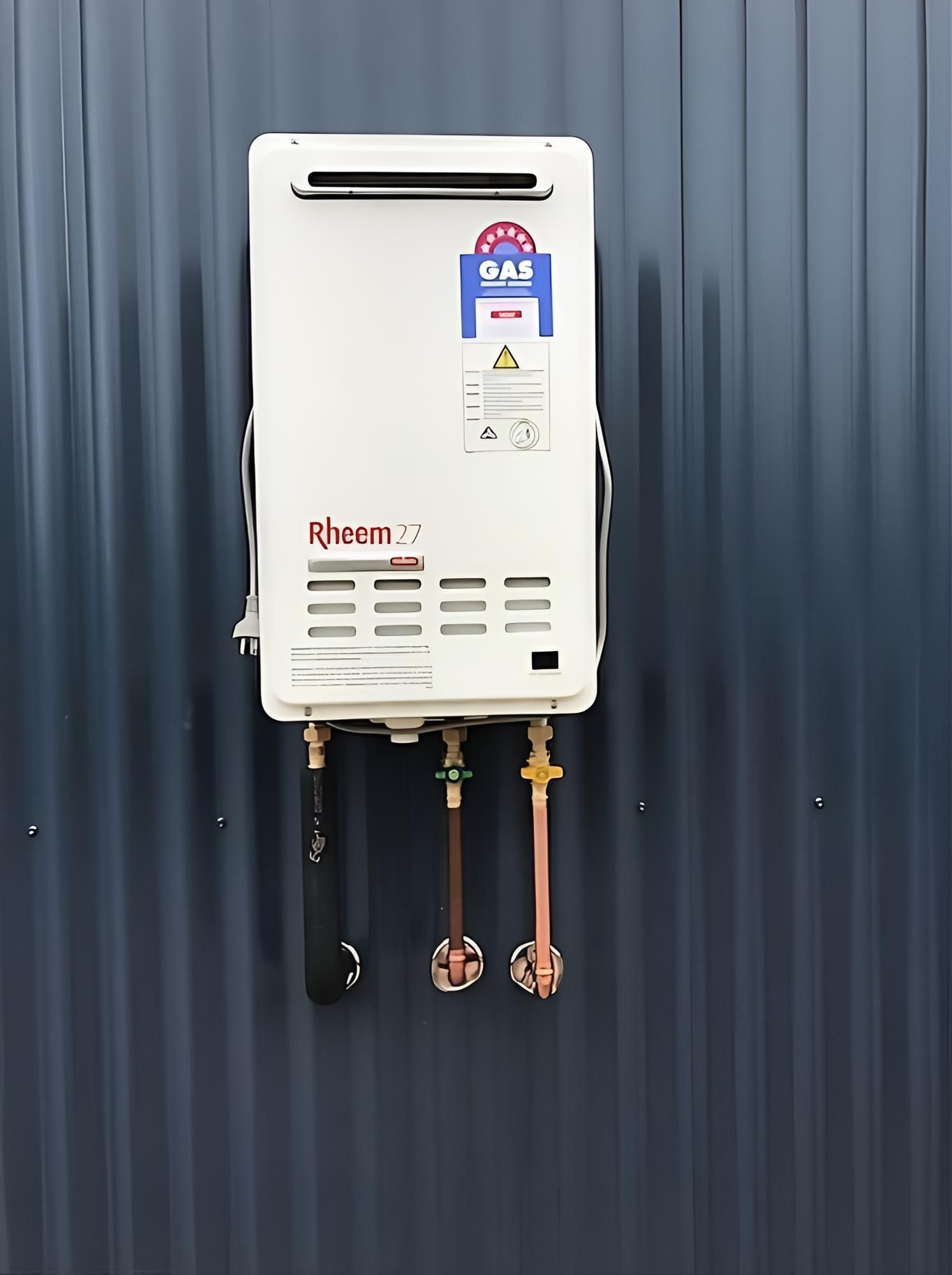
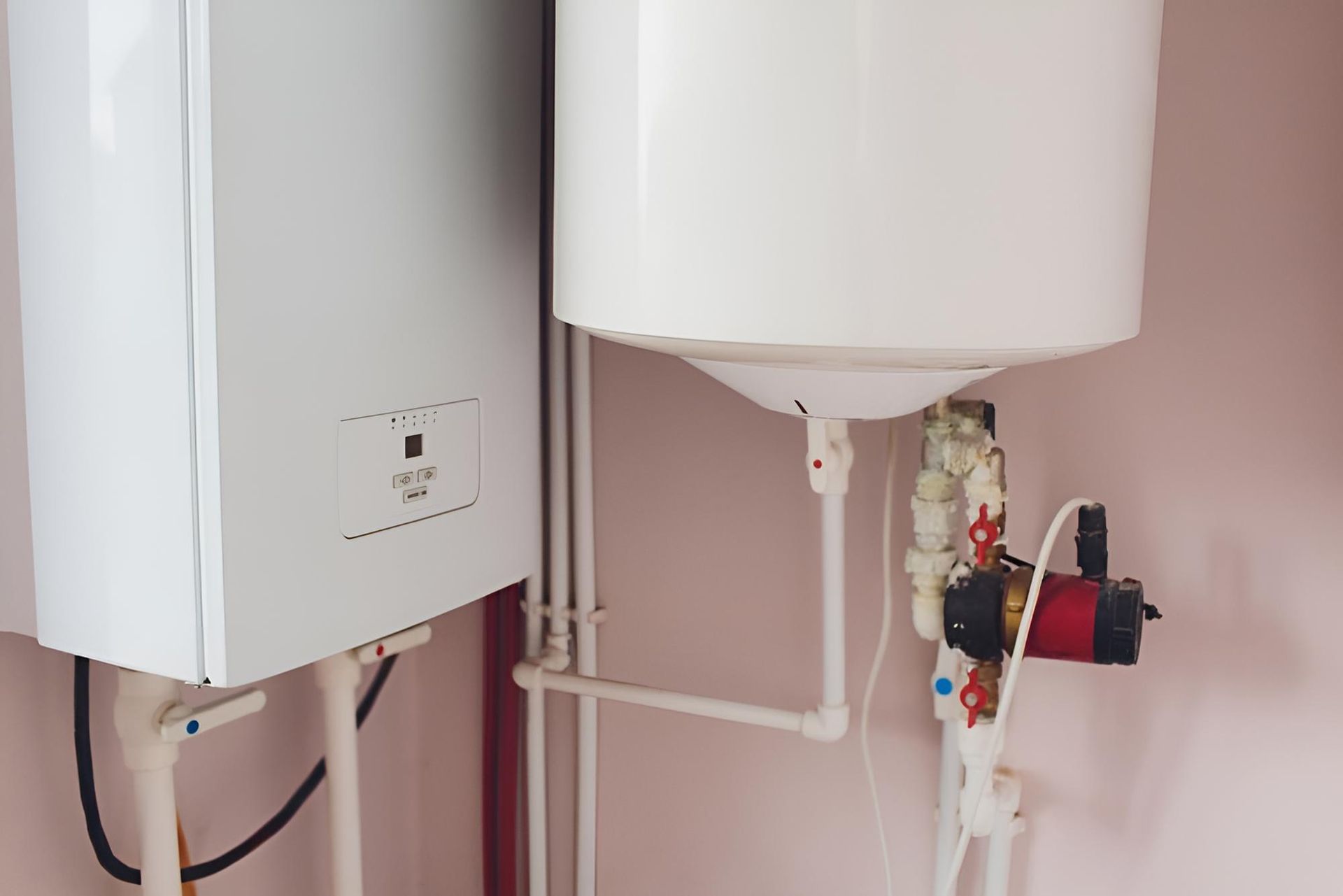
Hot water systems work hard every day, yet they are often ignored until they fail. Warning signs can include fluctuating temperatures, rusty water, unusual noises, leaking valves or water that runs cold too quickly. A sudden hot water failure can be inconvenient in a home and costly for a business that depends on hot water for cleaning, staff amenities or customer service.
During an inspection, a plumber can check the system’s visible components, valves, connections and general condition. They can also identify signs that the unit may need servicing, repair or replacement planning. This helps property owners avoid being caught off guard by a full breakdown, especially when the system is ageing or showing repeated faults.
Hot water inspections may include checks for:
- Leaks around the unit
- Valve condition
- Rust or corrosion
- Temperature issues
- Unusual system noises
Inspection Timing Depends on the Property
How often plumbing should be inspected depends on the property type, usage level and risk. A standard home may benefit from a routine check every year or two, especially if there are older fixtures, large trees near drains or previous plumbing issues. Rental properties often need more structured checks because landlords and property managers may not see day-to-day warning signs themselves.
Businesses may need more frequent inspections because plumbing faults can affect customers, staff, compliance, operations and income. High-use amenities, kitchens, laundries and commercial wash areas are more likely to experience wear. A planned inspection schedule gives owners better control over maintenance costs and helps reduce reliance on emergency repairs.
Inspection frequency can be guided by these factors:
- Property age
- Number of occupants
- Business water use
- Past plumbing issues
- Rental turnover
Delayed Repairs Usually Cost More
Putting off plumbing maintenance may feel like saving money, but delayed repairs often become more expensive. A dripping tap can waste water, a small leak can damage cabinets and a slow drain can become a full blockage. Hot water faults, pipe corrosion and pressure issues can also worsen when left unchecked. The longer a problem continues, the more likely it is to affect surrounding areas.
Preventative inspections help replace guesswork with clear information. Instead of waiting for a breakdown, property owners can plan repairs, budget for replacements and prioritise what needs attention first. Professional plumbers in Port Macquarie can also explain whether an issue is urgent or simply worth monitoring. This makes maintenance easier to manage.
Delaying repairs can increase costs through:
- Water damage
- After-hours callouts
- Fixture replacement
- Business disruption
- Larger repair work
Keep Plumbing Costs Under Better Control
We at Richardson Plumbing & Gas Service help homeowners, landlords, property managers and businesses in Port Macquarie stay ahead of avoidable plumbing problems with practical inspections, maintenance advice and repair support. If you want clearer insight into your fixtures, drains, water pressure, pipes or hot water system, contact us to book an inspection and keep your plumbing in Port Macquarie working reliably.