Detecting Minor Plumbing Leaks Early (Before They Become Expensive)
Small plumbing leaks rarely begin with dramatic signs. More often, they start quietly — a faint damp smell, a slight drop in water pressure, or a water bill that seems just a little higher than usual. These subtle clues are easy to overlook, especially in busy households or rental properties where maintenance can fall down the priority list.
Yet minor leaks have a habit of escalating. What begins as a slow drip behind a wall can develop into structural damage, mould growth and significant repair costs. Understanding how to identify early warning signs, and knowing when to involve a licensed plumber, can prevent unnecessary stress and expense. Early detection is not just about saving water, but about protecting the overall condition and value of your property. Below, we outline practical ways to detect minor plumbing leaks before they become major problems.
The Subtle Warning Signs Around Your Home That Often Point to a Hidden Leak
Early leak detection often begins with observation. Many hidden plumbing issues leave small but noticeable traces if you know what to look for. Paying attention during routine cleaning or maintenance can reveal issues long before they require invasive repairs.
You might notice:
- A musty or damp odour that lingers even after cleaning
- Discoloured patches on ceilings or walls
- Bubbling paint or peeling plaster
- Mould forming in areas that were previously dry
These signs can indicate water escaping from pipes concealed within walls or ceilings. While wiping away surface mould may seem like a solution, it does not address the underlying moisture source. A licensed plumber can trace the origin of dampness, determine whether pipework is compromised and recommend targeted plumbing repair before further damage occurs.
When Your Water Bill Creeps Up Without Explanation
An unexplained rise in your water bill is often one of the earliest indicators of a hidden leak. Even small leaks can waste thousands of litres over time, particularly if they run continuously out of sight.
To assess whether there may be an issue:
- Compare current bills with the same period last year
- Check for steady increases over consecutive billing cycles
- Monitor usage during periods of low occupancy
- Take note of any recent changes in appliances or irrigation
If usage seems inconsistent with household habits, there may be water escaping somewhere within the system. A professional plumber can conduct thorough inspections and water flow assessments to determine whether concealed pipe damage or fixture faults are responsible. Acting early can prevent ongoing water loss and escalating costs.
Low Water Pressure Isn’t Just an Inconvenience
A gradual reduction in water pressure can feel like a minor annoyance. However, it may also signal pipe deterioration or a developing leak within the plumbing network.
Possible causes include:
- Corrosion narrowing the internal diameter of pipes
- Small cracks allowing water to escape before reaching fixtures
- Faulty valves or partially blocked supply lines
- Mineral build up affecting flow rates
When pressure drops unexpectedly across multiple taps or appliances, it warrants investigation. Professional plumbing repair services can assess the integrity of pipework and identify whether water loss within the system is affecting performance. Addressing the cause early reduces strain on appliances and minimises the risk of more significant pipe failure.
Simple DIY Checks Homeowners Can Safely Perform
While complex issues require expert assessment, there are a few safe checks homeowners and property managers can complete themselves. These simple steps can provide useful information before arranging a service call.
You can:
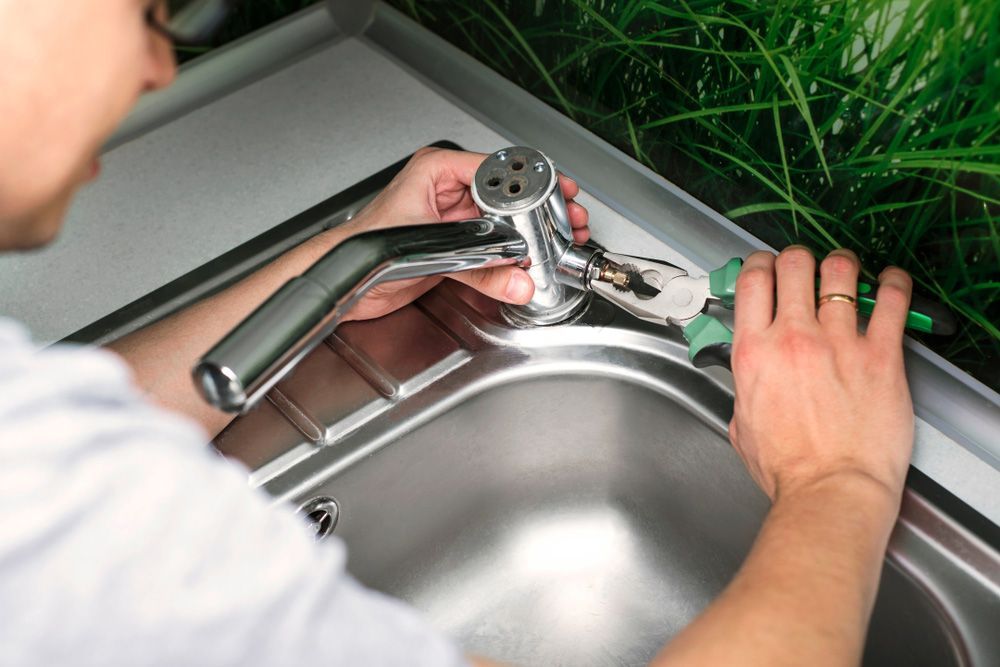
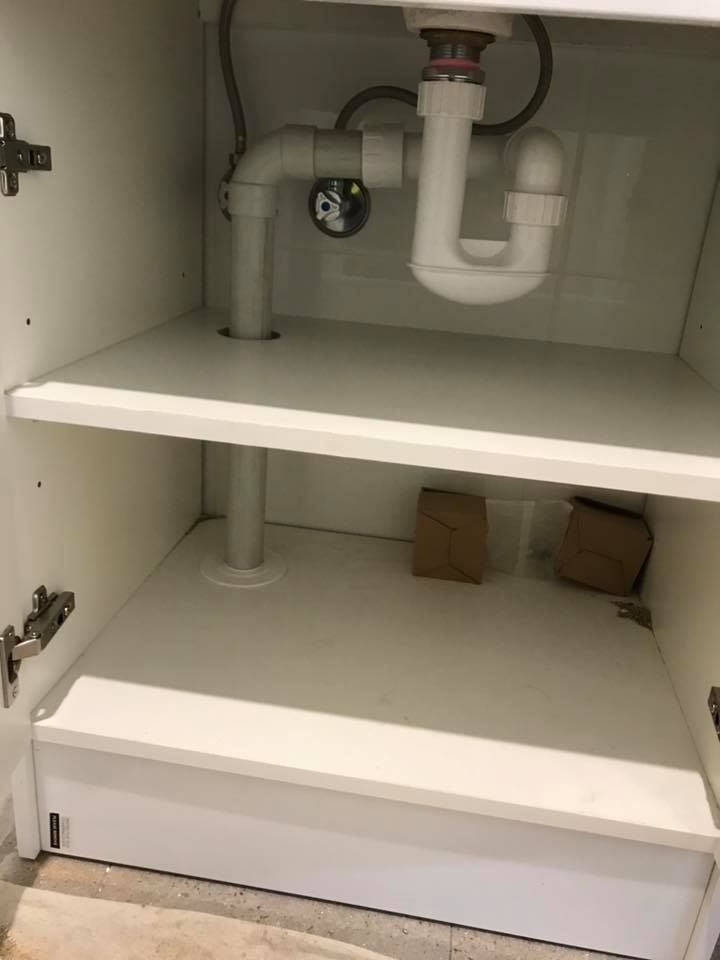
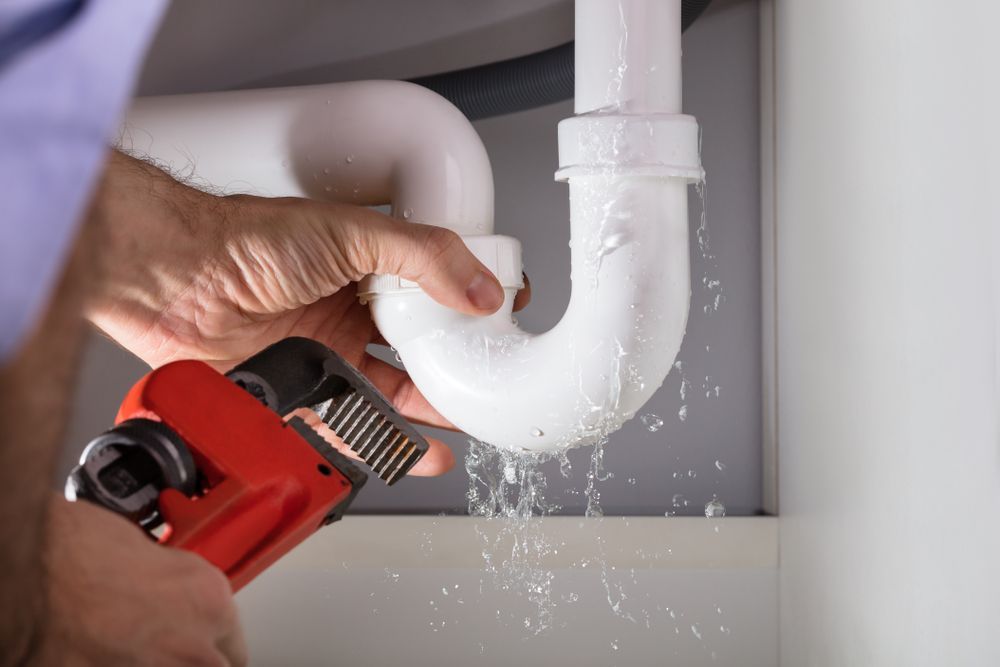
- Inspect under sinks for moisture or corrosion around fittings
- Add food colouring to a toilet cistern to test for silent leaks
- Examine outdoor taps and hose connections for steady drips
- Turn off all water and observe whether the water meter continues moving
If the meter records usage despite all fixtures being off, there may be a hidden leak within the system. These checks are useful first steps, but persistent concerns should be addressed by a qualified plumber to prevent further complications and ensure repairs are carried out safely.
What’s Lurking Behind Walls and Under Slabs?
Some of the most costly leaks are those that occur out of sight. Pipes concealed in wall cavities or embedded beneath concrete slabs can develop cracks or joint failures over time due to movement, corrosion or wear.
Warning signs may include:
- Warm spots on floors
- Unexplained damp carpet or flooring
- Cracking tiles or lifting floor coverings
- Persistent mould despite cleaning
Hidden leaks can compromise structural integrity and lead to extensive repairs if ignored. Professional leak detection services use specialised tools to locate the exact source without unnecessary demolition, helping limit disruption while resolving the issue efficiently and accurately.
The Risk of Ignoring Small Drips and Minor Pipe Damage
A dripping tap or minor pipe leak may seem insignificant. However, ongoing moisture exposure can cause cumulative damage that extends well beyond the original fault.
Potential consequences include:
- Timber framing weakening due to rot
- Electrical safety risks if wiring becomes damp
- Increased mould growth affecting indoor air quality
- Gradual structural deterioration
- Higher long term water costs
Routine plumbing repair and maintenance reduce these risks. Addressing minor faults promptly helps protect the long term condition of the property and prevents avoidable renovation expenses that often arise from delayed action.
Leak Detection Technology: How Modern Plumbers Pinpoint Problems
Modern leak detection is far more precise than visual inspection alone. Licensed plumbers use specialised equipment to identify leaks with minimal disruption to walls, floors and fixtures.
Common methods include:
- Acoustic listening devices that detect the sound of escaping water
- Pressure testing to assess system integrity
- Thermal imaging to identify temperature variations caused by moisture
- Moisture meters to measure dampness in walls and floors
These tools allow plumbers to locate leaks accurately, reducing guesswork and avoiding unnecessary damage to surrounding structures. Early intervention supported by appropriate technology improves efficiency, shortens repair time and supports targeted plumbing repair solutions.
Knowing When It’s Time to Call a Professional Plumber
While minor checks can be completed at home, certain signs indicate the need for professional assessment. Delaying expert involvement can increase both repair complexity and cost.
You should seek expert assistance if you notice:
- Ongoing damp patches that reappear after drying
- Suspected slab leaks or warm flooring
- Persistent mould growth despite cleaning
- Repeated drops in water pressure
- Continued high water usage without explanation
Prompt action limits structural damage and helps avoid more complex repair work. Early professional intervention often means simpler, more manageable solutions and greater peace of mind.
We at Richardson Plumbing & Gas Service understand how easily small leaks can turn into costly repairs, particularly in coastal climates where humidity can accelerate mould growth and material deterioration. As experienced plumbers in Port Macquarie residents rely on, we provide thorough leak detection services in Port Macquarie and practical plumbing repair solutions tailored to local conditions.
If you suspect a hidden leak or need dependable plumbers Port Macquarie property owners trust, our team is ready to help. We focus on clear advice, careful inspections and timely repairs designed to prevent long term damage. Visit our website to book an inspection or speak with a qualified plumber Port Macquarie homeowners can contact with confidence.